rodent proofing and exclusion services
<!DOCTYPE html>
Why Winter Is Peak Season for Escondido Attic Rodent Control
Why Winter Is Peak Season for Escondido Attic Rodent Control
Escondido winters are mild on paper, yet the local ecology creates intense rodent pressure in residential attics. Shorter days, cooler nights, and patchy food sources along the chaparral hills and riparian corridors push roof rats and Norway rats into homes. They follow heat and shelter, then settle into insulation where they nest and breed. For many households across 92025, 92026, 92027, and 92029, the first alert is a soft scurrying sound above the ceiling after sunset. The next sign is a faint odor coming from a hatch or closet. By then, the rodents have located food, mapped their runs, and marked pheromone trails through the insulation.
This is the precise reason winter is the best time for rodent proofing in Escondido, CA. The migration is active, the entry points show fresh wear, and the conditions allow a clean exclusion with lasting results. Attic Guard, based at 510 Corporate Dr # F in central Escondido, works daily along the Escondido Creek watershed, Lake Hodges canyons, and the Daley Ranch ridgelines. The team sees how rodents pivot through culverts, palm canopies, and utility easements, then move into attic voids through roof vent screens, eave gaps, and soffit vents. The work is direct. Find the entry points. Decontaminate properly. Restore insulation to the correct R-value. Seal the structure to biosecurity standards so the pests cannot return.
Why winter increases rodent pressure in North County homes
Rodents in San Diego County do not hibernate. They adapt. As the nights cool to the 40s and 50s, the temperature difference between outdoor air and attic space becomes attractive. Roof rats prefer elevation and follow fence lines and telecommunication wires from Old Escondido to Felicita Park. Norway rats work ground level, burrowing near slabs in Harmony Grove and along irrigation lines that lead to garages and crawlspaces in Eureka Meadows. Both species use shrubs, stacked firewood, and trellis lines as staging zones. Once they find a warm spot under a tile ridge or a raised soffit, they move in fast.
Homes near Lake Hodges and Daley Ranch see the highest winter spikes. The open space intersects with neighborhood edges, which creates a constant flow of rodents moving along the food and water gradient. Even infill areas near Westfield North County Mall and the California Center for the Arts report steady winter ingress because rodents exploit loading zones, dumpsters, and landscape plantings, then cross into adjacent residential blocks. This pressure pattern repeats across 92025, 92026, and 92027 through late fall and winter. It drops slightly in spring, then rises again during heat waves when attics trap evening warmth.
What winter activity does to attic insulation and building systems
Rats do not simply pass through an attic. They turn it into a home base. They shred loose-fill fiberglass or cellulose, tunnel through batt rolls, and carry food to corner voids. Urine and droppings saturate material, which destroys thermal performance. Compromised R-value makes temperature swings sharper and raises utility costs in neighborhoods like Hidden Meadows and Jesmond Dene where wind funnels through canyons. Contact points emerge across truss members and along top plates. The same runs repeat every night because pheromone trails guide them back to the same slots.
The damage spreads. Chewed wires expose copper and create arc risks. HVAC ducts develop small tears that grow into large air leaks, which pull attic dust and allergens into living rooms and bedrooms. In some Escondido homes, the return plenum draws in contaminated particulates if the rodent runs intersect duct boots. The air smells stale in the morning. Filters clog faster than usual. This is common in 92029 along the slopes above Lake Hodges, where older ducts cross long attic spans. Each of these problems has a cost curve. The longer rodents remain, the deeper the restoration effort must go, and the higher the energy loss every month.
Health risks rise during colder months
Winter concentration inside attics raises pathogen exposure. Dry droppings can aerosolize during movement, sweeping, or unfiltered vacuuming. Hantavirus and Salmonellosis are the primary worries in attics with heavy rat activity. The risk is manageable with the right approach. Industrial HEPA vacuums capture fine particles that a shop vacuum would blow back into the air. HEPA filtration paired with negative pressure from an industrial air scrubber keeps living areas safe during cleanup. Proper disposal in sealed bags prevents cross-contamination in hallways or garages.
The decontamination phase must target urine pheromone trails. Without that, fresh rodents trace the same paths weeks later. Thermal foggers and ULV cold foggers distribute hospital-grade sanitizers into insulation layers, beam pockets, and tight junctions around top plates. This neutralizes odor signatures and helps break the cycle. Any plan for rodent proofing that skips this step risks a fast rebound, especially in the higher-pressure edges near Daley Ranch and the Escondido Creek corridor.
Why Escondido construction details create unique entry points
Local homes present predictable weaknesses. Tile roofs often have open rafter tails and ridge caps with small voids. The gaps look minor, yet a roof rat can pass through a space the width of a thumb. Gable vents and dormer vents use thin mesh that bends or rusts. Soffit vents can deflect downward in wind and leave a wedge opening. Foundation cracks at hose bibs and old utility penetrations open a pathway for Norway rats. Even a missing piece of weather stripping at a garage door track can start an infestation. These are not rare defects. They are common across 92025 tract homes and 92026 hillside lots alike.
Attic Guard’s technicians secure these weak points with a strict material standard. Each roof vent screen receives 1/4-inch galvanized hardware cloth, cut to size and anchored to framing, not just to finish trim. Steel wool and expanding foam work together inside deep penetrations, then get capped with flashing so rodents cannot chew through. Eave gaps and soffit vents get rigid covers or backer plates with hardware cloth that holds its shape through summer heat. Foundation cracks get mortar repair, and visible lines at door thresholds get new weather stripping. The result is a building envelope that closes off the regular runs rodents depend on.
How proper containment and cleanup protects occupants
A clean attic restoration has three parts. First, contain the workspace. Set up zipper walls at the hatch. Add an industrial air scrubber to keep negative pressure pulling air out of the house. Second, remove contaminated materials. A HEPA vacuum collects droppings and nesting. A blower machine lifts out loose-fill insulation while a second technician contains dust with hose management. Third, sanitize and neutralize pheromone trails. A thermal fogger or ULV cold fogger distributes sanitizer into the cavities. If contamination is heavy, technicians repeat the fogging step after seals cure.
Escondido homes benefit from insulation upgrades during this phase. TAP Insulation delivers thermal performance and pest resistance in one material. For clients who prefer fiberglass, Owens Corning or Knauf insulation provides known R-values with durable facing. The choice depends on home layout, venting, and the degree of contamination. Many attics across 92027 and 92029 land best with a hybrid solution. Keep intact batts around can lights with IC ratings, then top with TAP Insulation to increase R-value and add pest resistance across the open field. The crew records before and after depths to verify results.
Rodent proofing in Escondido is a biosecurity exercise
Rodent exclusion is not a weekend caulking job. It is biosecurity. Rodents test seals every night. They push at the corner of a gable vent. They chew a foam-only patch. They probe for the loose edge at a ridge riser. A proper seal uses layered defenses. Hardware cloth blocks the opening. Steel mesh fills the cavity behind it. Flashing protects the face. Sealant closes pinholes and adds UV protection. This multi-point structure holds up through heat, wind, and thermal expansion. It also resists gnawing over time.
Attic Guard’s teams move methodically. They document each entry point, then close it with a standard that outperforms hardware store solutions. This is visible in homes near Felicita Park where older roofs meet modern vents. It is also visible in Old Escondido where remodels left gaps around new exhaust ducts. The goal is simple and measurable. Prevent re-entry by sealing every pathway a rat can use. The approach reduces the chance of trapping a rodent inside because technicians identify active routes and apply one-way exits where needed. The final result is a quiet attic that holds its insulation value and stays clean.
Why winter inspections find the truth faster
Fresh marks tell the story. On a cold night, rodents leave clearer rub marks on metal screens and exposed rafters. Fresh droppings appear near the warmest runs. Urine staining shows recent activity lines on vapor barriers. In winter, these indicators guide technicians straight to the problem. It cuts guesswork and speeds up the path to a permanent fix. This matters in Escondido where wait times for general pest services can stretch during peak calls. Faster diagnosis means fewer nights of damage to ducts and wiring.
The team at Attic Guard uses thermal imaging to verify heat signatures around entry points, especially at soffit returns and ridge vents. They also track airflow changes around bathroom exhausts and kitchen hoods to find negative pressure pulls where rodents try to exploit warm discharge. These methods pick up early activity in 92030 and 92046 postal routes where older homes have complex rooflines. Homeowners usually hear results before they see them. The attic goes silent at dusk. No more footsteps or gnawing. Air feels fresher because the ducts stop pulling attic dust.
Signs a winter rodent issue is active in your Escondido attic
Most homeowners notice small clues first. The pet stares at a ceiling corner. A cereal bag has a crescent bite near the bottom. The garage smells sweet and musky after a cold night. In Escondido, these signals often link to roof rats entering from above and working down. Norway rats move up from the ground after they find shelter near a slab crack or a pipe penetration. Both can chew through plastic, cardboard, and light wood. Electrical damage shows up as tripped breakers on circuits that power attic fans or can lights.
- Night scurrying above hallways and bedrooms, often from 8 to 11 pm in winter
- Droppings near the attic hatch, water heater closet, or behind garage shelving
- Urine-stained or shredded insulation near eaves and gable ends
- Musty odor that gets stronger after a warm afternoon
- Gnaw marks on pet food bins, stored seeds, or holiday boxes
If these signs appear in areas close to Escondido Creek or the Lake Hodges basin, the likelihood of a live infestation is high. Properties next to canyon edges in Hidden Meadows and Lomas Del Lago see activity earlier in the season, sometimes by late October. Homes near the California Center for the Arts or Westfield North County Mall skew to later spikes as food sources shift in winter retail zones. Either way, the right response is a coordinated rodent proofing plan, not bait stations that draw more rodents into the area.
Local knowledge shortens the path to a permanent fix
Experience in a specific area matters. Attic Guard services Escondido daily from its base at 510 Corporate Dr # F. The crew understands the chaparral terrain and typical construction stock from 92025 to 92029. They know that Jesmond Dene homes often run cooler and pull more attic moisture on clear winter nights, which changes odor patterns and run choices. They know Harmony Grove lots tend to have open eaves and decorative vents that look sealed but are not. They know Eureka Meadows homes installed in the late 1990s used a vent mesh that rusts faster, leaving easy openings by year 20.
This locality also helps with scheduling. Winter is busy, but crews cluster jobs by zone. A Hidden Meadows attic restoration often pairs with a roof vent screening job in Valley Center. A Daley Ranch exclusion routes well with inspections in Rancho Bernardo or Poway. The result is faster service windows for homeowners in Escondido zip codes and reliable follow-up after seasonal storms. Local routing also means technicians can check on a patch after a Santa Ana wind event or a heavy overnight fog in the Lake Hodges corridor. That is how permanent fixes stay permanent.
Materials and methods that hold up in San Diego County conditions
The materials used in rodent exclusion make a visible difference six months later. In Escondido, heat and UV exposure test any patch daily. Attic Guard commits to 1/4-inch galvanized hardware cloth, rigid flashing, and exterior-grade sealants. Steel wool fills bite points and stops probing. Roof vent screens get reinforced frames where possible. Soffit vent covers anchor to solid backing, not just fascia. Foundation cracks receive proper patching before any cover plate goes on. This slows thermal movement and blocks re-entry attempts.
Cleanup and restoration rely on industrial gear. A HEPA vacuum captures fine particles and keeps air safe for workers and residents. An industrial air scrubber maintains negative pressure. A thermal fogger or ULV cold fogger distributes sanitizer evenly so pheromone trails do not rebuild the path. A blower machine sets even insulation depth across the attic field, including tight pockets near hip ends. Crews record insulation depth and type along with photos of finished seals. These records help if a property sells or a home energy audit reviews attic performance.
Insulation choices that block heat loss and discourage pests
Once droppings and nesting leave an attic, new insulation closes the loop. TAP Insulation is a strong fit for Escondido because it performs thermally and adds pest resistance within the material. Where fiberglass is preferred, Owens Corning Pink Fiberglas or Knauf Insulation installs cleanly and holds labeled R-value when kept dry and intact. Many homes combine a base layer with TAP top-off to improve both energy performance and rodent deterrence. The final R-value targets current code expectations while respecting the roof ventilation plan. In older Old Escondido homes with limited eave vents, the team balances R-value with airflow to maintain shingle life and indoor comfort.
Cold snaps in winter make weak insulation obvious. Bedrooms feel drafty. The heater cycles longer. Utility bills climb 10 to 25 percent compared to similar months in past years. If the insulation shows urine staining or tunneling, the actual R-value may be half of the intended number. That loss explains the noise and the bills. A clean, even blanket returns the attic to a stable thermal buffer. Pair that with proper rodent proofing, and the attic stays quiet and efficient even as winter pressure rises in the canyons and creek edges across Escondido.
Why bait alone fails in Escondido neighborhoods
Bait stations can reduce a population in the short term, but they do not fix buildings. In winter, when rodents search for warmth, bait on a fence line may kill a few individuals while other rodents enter the attic through the same hole. Worse, bait can attract more rodents to a property that already has open entry points. Escondido neighborhoods near Daley Ranch and the Escondido Creek channel experience constant flow. The only stable answer is to cut off entry points, remove contamination, and break pheromone trails. Rodent exclusion, paired with sanitation and insulation restoration, sets a home apart from the surrounding pressure.
How winter rodent proofing protects home value
A home that shows a clean, well-sealed attic reads as cared for. Inspectors note fresh insulation, visible hardware cloth on vents, and sealed penetrations. Insurance underwriters recognize reduced fire risk from protected wiring and intact HVAC ducts. Buyers appreciate lower utility costs and a quiet envelope. In North County, these details can change an offer in a weekend. Escondido sellers who complete attic restoration before listing avoid last-minute credits and rushed vendor work during escrow. The documentation from a CSLB-licensed contractor carries weight during negotiations.
Why Attic Guard emphasizes licensed work and clear reporting
Rodent proofing and attic restoration intersect with building performance and public health. That work demands accountability. Attic Guard operates as a CSLB-licensed, bonded, and insured contractor in San Diego County. The team follows biosecurity protocols during decontamination and provides a lifetime exclusion warranty on sealed entry points. Reports include a rodent entry-point map, before and after images, and insulation depth records. For households in 92025 through 92046, this is the documentation that proves the job is complete and protects future value.
Service footprint and local response advantage
Attic Guard services Escondido and connected zones in North County. That includes San Marcos, Valley Center, Rancho Bernardo, Poway, Vista, and greater San Diego. The Escondido base at 510 Corporate Dr # F allows fast routing to Lake Hodges, Hidden Meadows, Daley Ranch, and the Escondido Creek neighborhoods. Crews often start near the San Diego Zoo Safari Park and move west to Felicita Park and Lomas Del Lago in a single day. The local footprint means faster winter appointments and responsive follow-up when storms shift roof components or knock vent screens loose.
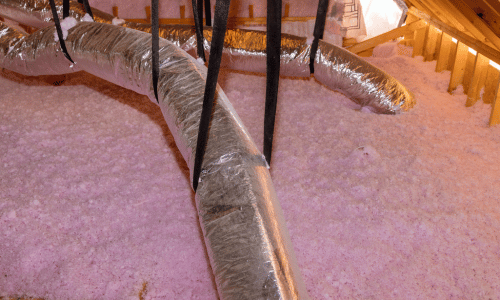
What a proper exclusion visit looks like in winter
Homeowners want to know what to expect. A winter visit starts with a short interview. When did the sounds begin. Where are the most active spots. Any chewed bags or gnawed wires. A technician then inspects the roofline, eaves, soffit vents, and gable vents. They check foundation cracks, garage door tracks, and utility penetrations. Inside, they check the attic with lighting, HEPA vacuum standing by. They collect droppings for cleanup and build a map of runs. They photograph entry points and damaged ducts. Then they present a plan with line-item work and a schedule.
- Seal roof vents, eave gaps, soffit vents, and utility penetrations with 1/4-inch galvanized hardware cloth, steel wool cores, and flashing
- HEPA vacuum and remove contaminated droppings and nesting with negative air containment
- Sanitize and neutralize pheromone trails with a thermal fogger or ULV cold fogger
- Replace or repair damaged HVAC duct sections and electrical protection as needed
- Restore R-value with TAP Insulation, Owens Corning, or Knauf materials to spec
On heavily contaminated projects, the team stages the work across two sessions. The first session seals entry points and removes bulk contamination. The second session finishes decontamination and insulation after a cure period. This reduces odor carryover and confirms silence in the attic before the final insulation install.
Material standards that exceed hardware store fixes
Many DIY patches fail because the mesh is thin, the screen is stapled to trim, or the foam is exposed. Attic Guard applies high-end flashing and steel wool reinforcements that outlast thin screens. Hardware cloth is galvanized to hold up in Escondido heat. Roof vent screens get a frame anchored to structural members where possible. Soffit vents receive rigid covers that maintain airflow while blocking entry. Foundation points get repaired and then shielded. Weather stripping is replaced, not stacked. These details matter in North County where wind and thermal cycles test every fastener.
Telltale noises and what they mean in Escondido homes
A single thump near dusk can be a bird on tile. Repeated light footfalls that cross the same path are rats. If the pattern becomes faster and includes a gnawing sound, there may be juveniles. Scratching inside a wall cavity in the garage often indicates a Norway rat route from the slab to the attic via plumbing runs. Soft squeaks near a soffit edge can be roof rats testing a vent. If the sound stops when the light goes on, this often confirms rodent activity rather than thermal settling. In winter, activity concentrates earlier in the evening, which makes identification easier for homeowners in 92026 and 92029.
Attic Guard’s diagnostic framework
The company’s diagnostic approach is consistent across Escondido. Technicians inspect exterior lines and record probable entries. Inside, they track runways, droppings, urine staining, and insulation voids. They evaluate R-value loss and HVAC duct integrity. If droppings cluster near a water heater closet or laundry room, they check for utility penetrations that connect to the attic. They also inspect garage door seals and side doors for weather stripping gaps. Each finding maps back to a closure method, a cleanup step, and a restoration level.
Real-world examples from Escondido neighborhoods
A Hidden Meadows home near canyon frontage reported steady night scurrying from November to January. The inspection found open eave gaps and gnawed gable mesh. Attic Guard sealed with hardware cloth and flashing, then HEPA vacuumed and fogged the space. TAP Insulation brought the attic to target R-value. Night activity dropped to zero after day two. Utility bills improved the next cycle.
A 92025 home near the California Center for the Arts had fluctuating heater performance and a faint odor. The attic showed urine-soaked fiberglass around a bath fan and a torn flex duct. The crew sealed roof vents, replaced the damaged duct section, and sanitized the runs. Knauf insulation topped off the field. The homeowner reported stable temperatures and no odor within a week.
A house west of Lake Hodges had bite marks on bird seed bags in the garage. The garage door weather stripping was split and a foundation crack near the hose bib showed tunneling. The crew repaired the crack, installed new weather stripping, and sealed a soffit vent above the garage. No more garage activity and no attic noise after the visit.
What makes winter the best season to close the loop
Winter concentrates activity and clarifies the map. Rodents show their cards. Entry points are easy to find. Pheromone trails are fresh. Attic odors are stronger on warm afternoons, which helps track runs. Crews can seal and sanitize in one coordinated push, then restore insulation while pressure outside is still high. This proves the exclusion in real time. It also gives a quiet spring, a stable summer, and a protected fall. For Escondido homeowners near Daley Ranch, Hidden Meadows, and along Escondido Creek, that seasonal timing makes all the difference.
How attic insulation ties into long-term rodent proofing
Insulation is more than temperature control. It is a structural cue. Rodents prefer soft, tunneled fields that hide them from predators and noise. A clean, even blanket with correct depth discourages nesting. TAP Insulation’s properties add another layer of pest resistance. Fiberglass from Owens Corning or Knauf, when dry and intact, maintains labeled R-value and makes attic travel less convenient. The result is fewer reasons for a rodent to stay, even if one tests the roof edge after a storm. Combined with sealed entries and neutralized pheromone trails, the attic no longer acts like a welcome mat.
Common homeowner questions in Escondido
Warranty is a frequent topic. Attic Guard offers a lifetime exclusion warranty on sealed entry points. If a sealed pathway fails, the team returns and corrects it. Safety is another concern. The crew uses HEPA-filtered equipment, negative pressure, and controlled waste disposal to protect living spaces during cleanup. Licensing and insurance matter. As a CSLB-licensed, bonded, and insured contractor, the company adheres to strict biosecurity standards during decontamination and restoration in all San Diego County jurisdictions.
Quick winter attic check for Escondido homes
A brief self-check can confirm if a professional inspection is needed. Use a flashlight, wear a mask, and avoid stirring dust. If any of these signs show up, schedule a visit before sounds escalate.
- Fresh droppings near the attic hatch or water heater closet
- Shredded or matted insulation along eaves and gable ends
- Rub marks or light staining around soffit vents or roof penetrations
- Chewed packaging in the garage or pantry
- Short bursts of scurrying between 8 and 11 pm
Where Attic Guard fits among industry options
Many brands operate in the region. Orkin, Terminix, and Western Exterminator provide general pest control. Home Depot carries materials for DIY attempts. For full rodent exclusion and attic restoration, homeowners in Escondido choose specialized providers with construction knowledge and decontamination protocols. Attic Guard focuses on rodent proofing, attic cleaning, decontamination, insulation replacement, and biosecurity-grade exclusion. The company installs TAP Insulation and works with Owens Corning and Knauf materials to match home needs.
The role of documentation in property records
A clear report matters. Adjusters, realtors, and buyers want evidence. Attic Guard supplies an entry-point map, photos of sealed vents and penetrations, product labels, and insulation depth readings. The report includes notes on HVAC duct repair and electrical protection where observed. This record supports property sales in 92025 through 92046 and helps future contractors understand prior work, which prevents accidental damage to seals during unrelated projects.
Escondido zip codes and neighborhoods with frequent winter activity
Activity is widespread, yet certain areas generate more calls per winter. Homes in 92029 on the Lake Hodges side see early movement in late fall. Properties in 92026 near Hidden Meadows and Jesmond Dene pick up as temperatures drop further. Central Escondido zones in 92025 and 92027 report steady calls near Escondido Creek and older rooflines in Old Escondido. Lomas Del Lago and Eureka Meadows show spikes after wind events that shift tiles and vent screens. These patterns help plan maintenance and prioritize pre-winter inspections.
Engineering details that stop re-entry
Durable exclusion uses layered defenses and tight fastening. Each gable or dormer vent receives 1/4-inch galvanized hardware cloth anchored to framing. Eave gaps get backer plates and mesh that do not oil-can in heat. Foundation cracks get mortar repair before any cover plate. Penetrations get steel wool inside, sealed, and finished with flashing. Weather stripping fits tight on garage and side doors. The sum of these measures reduces the odds of re-entry to near zero. If a rodent tests the house during a winter surge, it moves on to easier targets.
Attic Guard’s position in Escondido’s winter season
The company runs full crews during winter months to meet the surge. Routes move daily between Daley Ranch and Lake Hodges, across central 92025, and into Valley Center and Rancho Bernardo. The local base allows fast response to post-storm issues. Each project closes with a lifetime exclusion warranty on sealed points and a clear report. Homeowners see the difference in sound, air quality, and utility bills. Many notice that the dog stops staring at the ceiling after dinner. That small shift signals a bigger fix. The attic is quiet again.
Clear next steps for Escondido homeowners
Winter is the right season to solve rodent issues in Escondido. The pressure is high. The evidence is fresh. The fix holds when done correctly. A proper plan includes rodent exclusion with hardware cloth and flashing, decontamination with HEPA containment and fogging, and insulation restoration with TAP, Owens Corning, or Knauf materials. The work protects health, reduces fire risk, restores R-value, and shields the home through future seasons.
Schedule a free local inspection
Attic Guard offers a free attic inspection for 92025 and all Escondido zip codes. The visit includes a rodent entry-point report and a clear scope of work. The company is CSLB-licensed, bonded, and insured, with eco-friendly decontamination methods and pheromone blocking technology. Many projects qualify for a lifetime exclusion warranty on sealed entry points. The office at 510 Corporate Dr # F serves all Escondido neighborhoods, from Hidden Meadows to Old Escondido, and the high-pressure edges near Lake Hodges and Daley Ranch.
Book a free Escondido attic inspection at (760) 906-8043. Quiet nights return faster than most expect when the building envelope is sealed, sanitized, and restored to spec.
Attic Guard | Escondido Office
Business Name: Attic Guard
Address: 510 Corporate Dr # F, Escondido, CA 92029, United States
Primary Phone: +1 858-400-0670
Direct Line: +1 858-786-0331
Website: atticguardca.com/escondido
Connect With Us & Read Reviews
Yelp Reviews Facebook Instagram